Water leakage in buildings is often assumed to originate from roofs or facades, but in reality the areas around windows and doors are among the most common trouble spots. When the joint between the window subframe and the wall is not sealed correctly, rainwater and moisture gradually work their way into the structure and cause both cosmetic and structural damage. The result is mould in interior spaces, blistering wall paint and noticeable heat loss.
Window subframe sealing is one of the most critical measures available to prevent problems like these. Carried out with the right materials and professional workmanship, it largely eliminates water leaks around window edges while also contributing to thermal insulation. This extends the service life of the building and improves energy efficiency, delivering a clear cost advantage over the long term.
What Is Window Subframe Sealing?
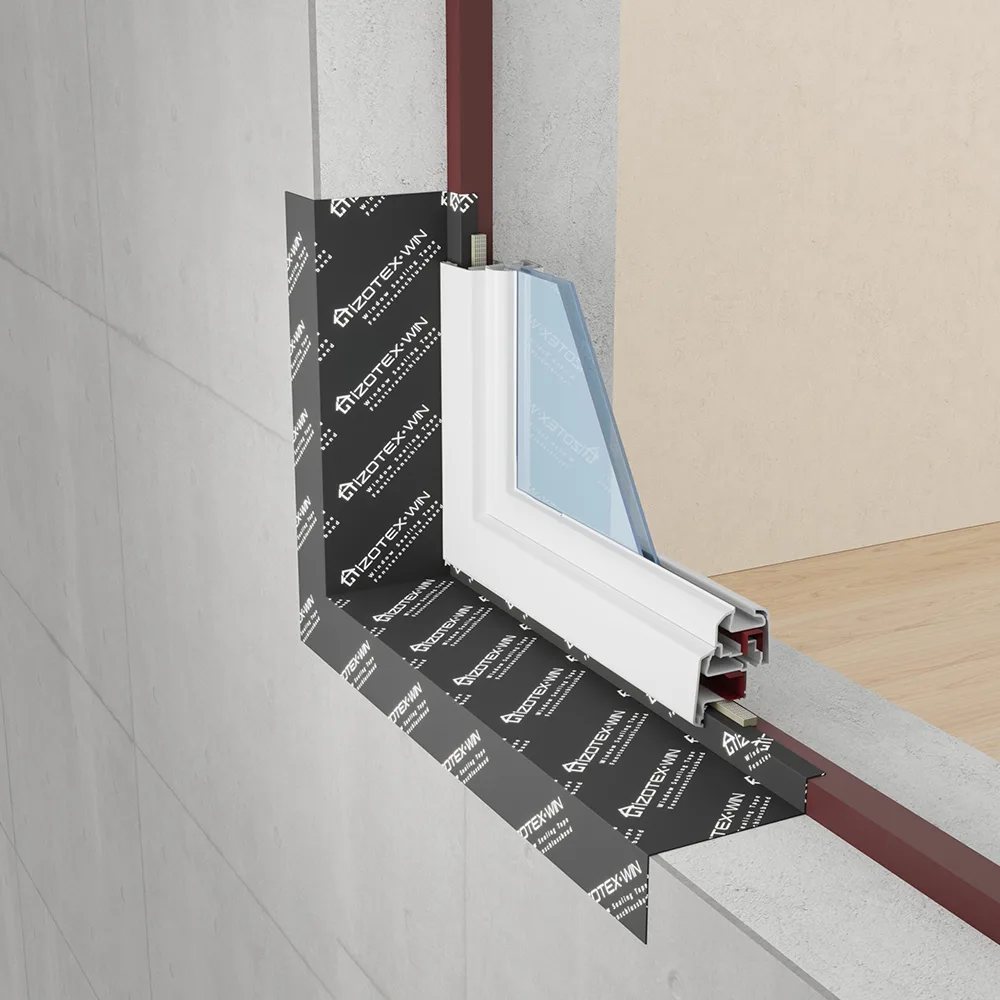
Window subframe sealing is a dedicated sealing operation applied where window and door frames meet the wall. Its purpose is to block the passage of water, moisture and air from the outside environment. Subframe details that are executed incorrectly — particularly in new buildings or after a window replacement — can lead to serious leakage problems over time. Subframe sealing is therefore an application that should never be neglected when protecting a structure.
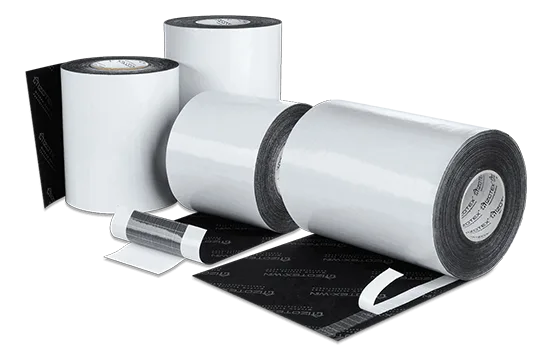
Done properly, window subframe sealing combines waterproofing, thermal insulation and acoustic insulation in a single detail, raising the comfort level of living spaces. Modern solutions such as textile-based sealing systems provide flexible, long-lasting protection in the subframe zone. That means sustainable building performance in both residential and industrial structures.
What Is a Subframe and What Does It Do?
The subframe (also called a blind frame) is the structural element used during window and door installation that is fixed directly to the wall. If this zone is not sealed correctly it can create serious risks for the building. Looking at its core functions makes its role much clearer.
The main functions of the subframe in a building are:
- Ensuring window and door frames are fixed squarely and securely
- Creating dimensional and installation alignment between the wall and the window
- Balancing load distribution to prevent cracking and deformation
- Providing a suitable transition zone for sealing applications
- Supporting the aesthetic integrity of the structure
Because of these functions, the subframe is not simply a component that makes installation easier; it plays a critical role in the durability and service life of the building. Considered together with sealing applications, subframe zones become areas that directly determine overall building performance.
Why Is Subframe Sealing Necessary?
Subframe sealing is frequently overlooked, yet it is indispensable for the health of a building. Unsealed subframe zones are left defenceless against external conditions and can cause serious problems over time. It is worth understanding exactly why this detail matters.
The main reasons subframe sealing is necessary are:
- 01It prevents water leaks and the damage they cause to walls and interiors
- 02It reduces heat loss and improves energy efficiency
- 03It prevents health problems caused by mould, damp and humidity
- 04It reduces the risk of structural damage and extends the life of the building
- 05It lowers maintenance and repair costs over the long term
Taken together, these reasons make subframe sealing not only a matter of comfort but also a sound economic investment. Applications carried out with professional systems in particular allow buildings to be used safely for many years.
Why Does Water Leak Around Window Edges?
Water leaks around window edges usually result from several factors occurring at once. This is not merely a cosmetic issue — it is a serious risk that can progress all the way to the load-bearing system. Correctly diagnosing the cause of a leak is the first step towards a permanent solution.
These causes can appear individually or in combination, and they tend to grow into larger problems over time. Even the smallest sign of damp or seepage around a window edge should therefore be taken seriously and addressed with professional solutions.
Incorrect Installation and Application Errors
Faulty installation is one of the most common causes of water leakage around window edges. Even small mistakes made during application can lead to major structural problems later on. Every stage of the installation process must therefore be planned with great care.
Installation and application errors typically take the following forms:
- 01Leaving a gap between the subframe and the wall
- 02Failing to use a suitable sealing tape or filler material
- 03Not seating the window fully against the wall
- 04Overlooking water drainage details
- 05Skipping post-installation inspection and testing
Errors like these may go unnoticed at first, but over time they reveal themselves as water leakage, heat loss and visible deterioration. Subframe sealing and window installation should always be carried out by specialist teams using the correct materials and methods.
For more blog posts, click here!